
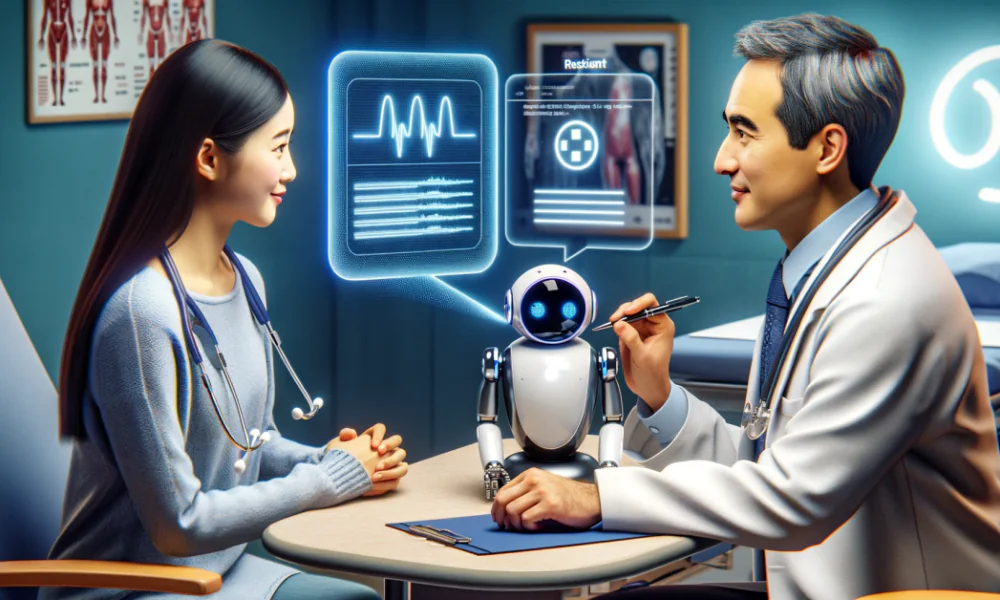
Healthcare professionals today face an overwhelming amount of patient data, compliance requirements, and time-sensitive decisions. Managing all of this efficiently can be challenging without the right tools. That’s where digital solutions step in to simplify workflows, improve accuracy, and enhance patient outcomes. One of the most impactful innovations in this space is clinical documentation software, which reshaping how healthcare providers record, access, and utilize patient information in real time.
Why Clinical Documentation Software Matters in Modern Healthcare
In a fast-paced clinical environment, every second counts. Traditional paper-based documentation systems often lead to delays, misplaced records, and human errors. By contrast, clinical documentation software allows healthcare providers to capture patient information instantly, ensuring that data is accurate, organized, and easily accessible.
With digital records, physicians and nurses can quickly retrieve patient histories, lab results, and treatment plans. This not only improves efficiency but also reduces the risk of medical errors. Additionally, it enhances collaboration among healthcare teams, as multiple professionals can access and update patient records simultaneously.
Another important advantage is compliance. Healthcare regulations demand strict documentation standards, and digital systems help ensure that all records meet legal and regulatory requirements without adding extra administrative burden.
Key Features That Make a Difference
When choosing a documentation system, it’s essential to understand the features that truly impact daily operations. A well-designed solution offers intuitive interfaces, customizable templates, and voice recognition capabilities to speed up data entry.
Interoperability is another critical feature. The ability to integrate with other healthcare systems—such as electronic health records (EHR) and billing platforms—ensures seamless information flow across departments.
Security also plays a vital role. Advanced encryption and access controls protect sensitive patient data, giving both providers and patients peace of mind.
- One standout benefit is real-time data syncing, which ensures that updates are instantly available across all devices and departments.
How Clinical Documentation Software Improves Patient Care
The true value of digital documentation lies in its impact on patient care. With accurate and up-to-date information at their fingertips, healthcare providers can make better informed decisions. This leads to more precise diagnoses, effective treatment plans, and improved patient outcomes.
Moreover, streamlined documentation reduces the administrative workload on clinicians, allowing them to spend more time focusing on patients rather than paperwork. This not only enhances the quality of care but also improves patient satisfaction.
Another significant benefit is the continuity of care. When patient data is consistently recorded and easily shared, transitions between different healthcare providers become smoother. This is especially important for patients with chronic conditions who require ongoing monitoring and coordinated care.

The Future of Healthcare Documentation
As technology continues to evolve, documentation systems are becoming even more advanced. Artificial intelligence and machine learning are being integrated to automate routine tasks, predict patient risks, and provide clinical insights.
Mobile accessibility is also transforming how healthcare providers interact with patient data. With secure mobile apps, clinicians can access records anytime, anywhere, making healthcare more flexible and responsive.
In the coming years, we can expect even greater innovation, with smarter tools that further reduce administrative burdens and enhance clinical efficiency.
Conclusion
The shift from traditional record-keeping to digital solutions marks a significant step forward in healthcare. By adopting clinical documentation software, healthcare providers can streamline workflows, ensure accuracy, and ultimately deliver better patient care.
As the industry continues to embrace technology, investing in the right documentation tools is no longer optional—it’s essential for staying competitive and providing high-quality care in today’s dynamic healthcare environment.