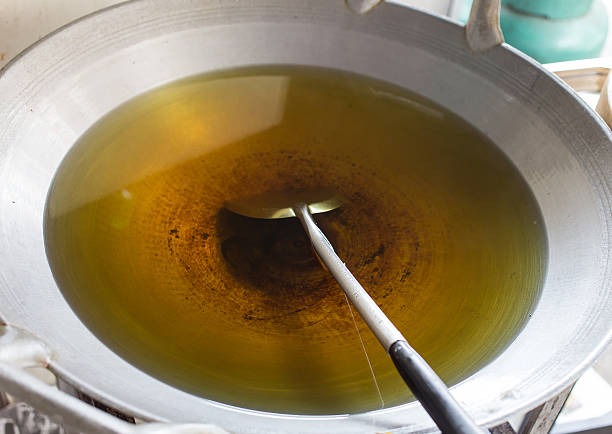
Used cooking oil often creates confusion once a meal is finished. Many people pour it into the sink or throw it in the trash without realizing the long-term consequences. Learning how to recycle cooking oil is one of the easiest ways to reduce household waste while protecting plumbing systems and the environment. Every litre of used oil has the potential to be transformed into valuable products instead of becoming pollution. Modern waste cooking oil collection services make responsible disposal easier than ever, allowing homes and businesses to recycle safely. By understanding how to recycle cooking oil, you can contribute to cleaner communities while adopting a more sustainable kitchen routine.
Why How to Recycle Cooking Oil Is Important for Every Kitchen
Every kitchen produces used oil, whether from frying vegetables, preparing snacks, or cooking family meals. Instead of treating it as useless waste, learning how to recycle cooking oil helps conserve resources and reduce environmental damage. Recycled oil is commonly converted into biodiesel, industrial products, and other renewable materials.
Improper disposal creates costly plumbing problems and can contaminate waterways. Choosing professional waste cooking oil collection services ensures used oil is handled responsibly while reducing strain on municipal drainage systems. A simple recycling habit can create lasting environmental benefits with very little effort.
How to Recycle Cooking Oil Without Creating Extra Work
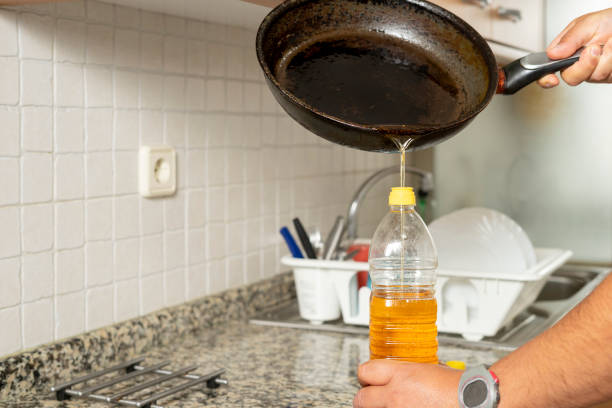
Many people avoid recycling because they believe the process is complicated. Fortunately, how to recycle cooking oil is surprisingly simple. Allow the oil to cool completely before handling it. Once cool, strain out food particles and transfer the liquid into a clean container with a secure lid.
Storing the oil properly prevents spills and unpleasant odors until it is ready for waste cooking oil collection or delivery to a recycling facility. Keeping a dedicated storage container in your kitchen encourages consistent recycling and keeps disposal organized.
Easy Ways to Start Recycling Used Cooking Oil
Starting a recycling routine requires only a few practical habits:
- Let cooking oil cool before transferring it into storage.
- Use a sealed container to prevent leaks and contamination.
- Keep the oil free from soap, chemicals, and excess food waste.
- Arrange regular waste cooking oil collection if you generate oil frequently.
These simple steps make how to recycle cooking oil easy to follow while helping preserve the quality of recyclable oil.
Mistakes That Prevent Proper Oil Recycling
One of the biggest mistakes people make is pouring oil into sinks or outdoor drains. Although the oil disappears quickly, it eventually hardens inside pipes and contributes to blockages. Throwing liquid oil directly into garbage bags can also create messy leaks and unpleasant smells.
Another issue is mixing cooking oil with cleaning products or other liquids. Contaminated oil becomes much harder to recycle. Understanding how to recycle cooking oil means keeping the used oil clean until it reaches waste cooking oil collection services or an approved recycling center.
Environmental Advantages of Recycling Cooking Oil
Proper recycling reduces pollution while supporting renewable energy production. Instead of ending up in landfills, recycled oil can become biodiesel, helping reduce dependence on traditional fossil fuels. Every container collected through waste cooking oil collection contributes to cleaner air and more efficient resource use.
Communities also experience fewer sewer maintenance problems because less grease enters public drainage systems. As more households practice how to recycle cooking oil, cities benefit from improved infrastructure and healthier ecosystems.
Finding Reliable Waste Cooking Oil Collection Services
Choosing a dependable waste cooking oil collection provider simplifies the recycling process. These companies collect stored oil safely and transport it to recycling facilities where it is processed into useful products. Scheduled pickups are especially valuable for restaurants and commercial kitchens that generate large quantities of used oil.
When selecting a service, consider collection frequency, proper handling methods, and environmentally responsible recycling practices. Reliable providers help make how to recycle cooking oil both convenient and efficient.
Building Better Recycling Habits Every Day
Creating sustainable habits begins with consistency. Store used oil after every cooking session instead of waiting until it becomes inconvenient. Label your storage container clearly and empty it regularly using waste cooking oil collection services or local recycling programs.
Families can also encourage children to understand why recycling matters. These everyday habits help establish long-term environmental responsibility while making how to recycle cooking oil a natural part of household life.
The Future of Responsible Cooking Oil Recycling
As environmental awareness grows, recycling cooking oil is becoming an essential part of waste management. More communities now offer waste cooking oil collection programs that encourage residents and businesses to recycle rather than dispose of oil improperly.
Choosing how to recycle cooking oil today supports cleaner neighborhoods, renewable energy production, and responsible resource management. Small actions taken consistently can create significant environmental improvements over time.
Conclusion
Understanding how to recycle cooking oil benefits both your home and the environment. Proper storage, responsible disposal, and dependable waste cooking oil collection services help reduce pollution while transforming waste into valuable renewable resources. Whether you cook occasionally or every day, recycling used oil is a simple habit with lasting positive effects. By making recycling part of your kitchen routine, you support cleaner communities and contribute to a more sustainable future.